Richard Barnett (ed) & Vivienne Lo, Taschen, 2026
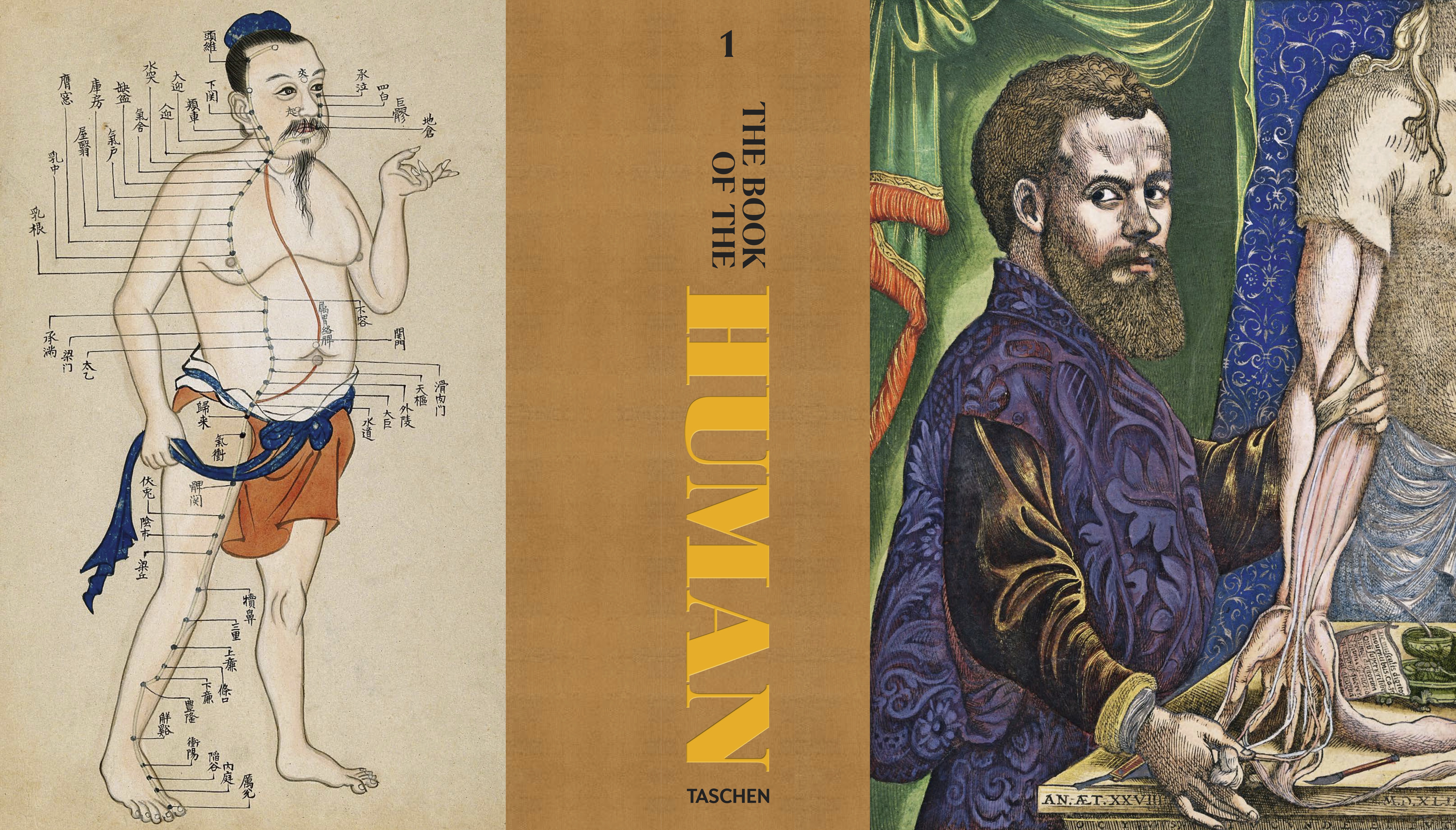
Anatomical illustrations are supremely artful, and centuries after they were made they compel our attention as works of art. Drawing on material from antiquity to the earliest stirrings of the Information Age, The Book of the Human Body shows how anatomists, surgeons, physicians, and artists have sought to understand, decode, and portray the human form.
This gorgeous two-volume set collects almost a thousand illustrations, enhanced by new photography, ranging from a silk manuscript dated to 168 B.C., discovered from the excavated Mawangdui tomb in southern China and showing 44 figures engaged in exercises of “self-cultivation”, to the unmistakable early 20th-century poster aesthetic of Fritz Kahn.
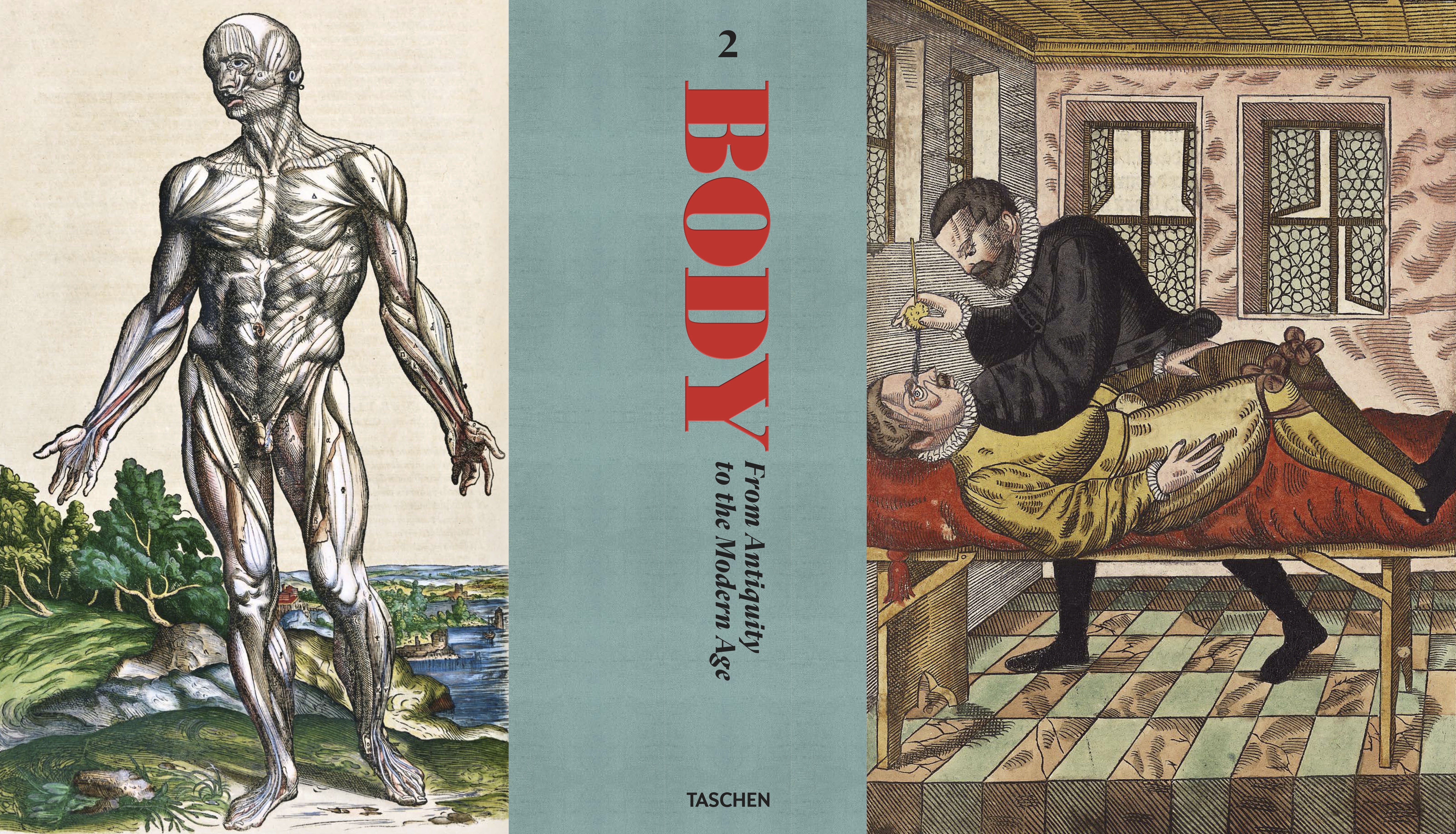
I’ve been lucky enough to spend the last decade and more working on the history of anatomical illustration, and The Book of the Human Body has been a marvellous opportunity to gather some of the most beautiful and the most historically significant depictions of anatomy from across history and from collections around the world.
It’s been a particular pleasure working with my co-author, Professor Vivienne Lo, a leading scholar of Asian medical traditions. I’ve learned so much from Vivienne’s contributions, which have given the project a cross-cultural breadth and richness we’d never have achieved without her.
This is a book for anyone curious about the history of medicine, anyone captivated by the power of these illustrations, anyone struck by the idea that anatomical knowledge is always a mirror of our lives, our mortality, and our difficult relationship with our flesh – anyone, in short, with a body.
The Book of the Human Body is available to order on Taschen and Amazon. I gave a talk on the book – ‘Drawing Blood: How to Make Art and Knowledge from the Dead’ – at the shockingly vivacious London Month of the Dead on 24 Oct. Keep an eye out here and on my Instagram for details of talks & events.

